

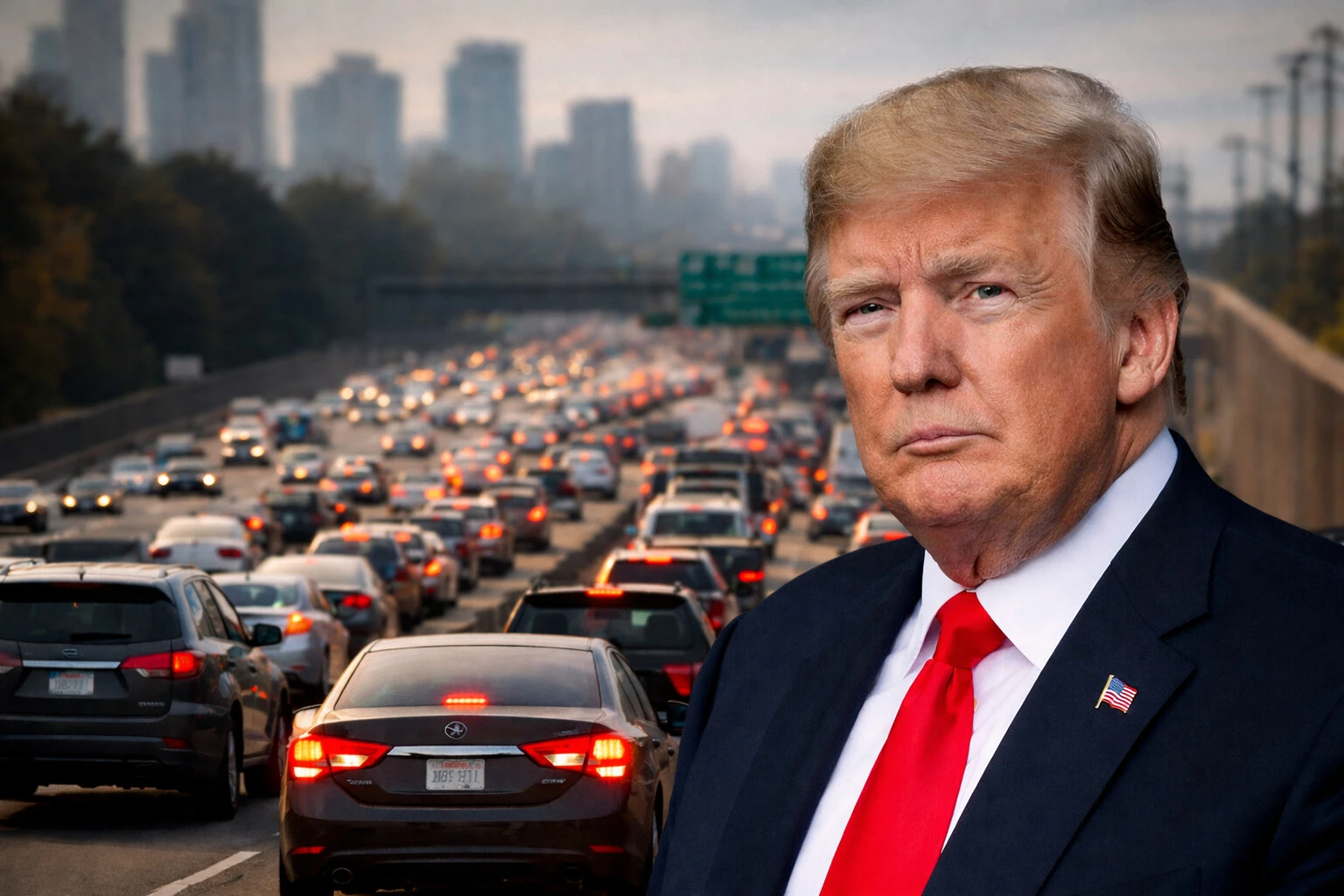
Traffic congestion in the United States has become one of the most persistent challenges affecting daily life, economic productivity, and public well-being. From sprawling metropolitan cities like Los Angeles and New York to rapidly growing suburban corridors, traffic impacts millions of Americans every single day. As population growth, urban expansion, and vehicle ownership continue to rise, understanding traffic patterns in the USA is more important than ever.
“Traffic congestion is not just a transportation issue—it’s an economic, environmental, and public health challenge that requires long-term planning and investment.”
— Dr. Michael Reynolds, Transportation Policy Analyst
This article provides an in-depth look at traffic in the United States, exploring its causes, consequences, regional differences, technological solutions, and what lies ahead for American roadways.
Understanding Traffic in the United States
Traffic in the USA refers to the movement of vehicles, including cars, trucks, buses, and motorcycles, across the country’s extensive road network. The U.S. has one of the largest transportation systems in the world, with millions of miles of highways, interstates, and local roads.
Despite this vast infrastructure, congestion remains a daily reality for commuters. Traffic is influenced by several factors, including population density, employment hubs, urban planning, public transportation availability, and driving behavior.
Major Causes of Traffic Congestion in the USA
Population Growth and Urbanization
One of the primary causes of traffic congestion is rapid population growth, particularly in urban and suburban areas. Cities continue to expand outward, creating longer commutes and heavier reliance on personal vehicles.
Suburban sprawl often places residential areas far from employment centers, forcing workers to travel longer distances. As more people move into metropolitan regions, road capacity struggles to keep up with demand.
High Vehicle Ownership
The United States has one of the highest vehicle ownership rates globally. For many Americans, owning a car is essential due to limited public transportation options in certain regions. This heavy reliance on personal vehicles increases road congestion, especially during peak commuting hours. Multi-car households further add to traffic volume.
Inadequate Public Transportation
While major cities have public transit systems, coverage and reliability vary widely. In many parts of the country, public transportation is limited or unavailable, leaving driving as the only practical option. Inconsistent funding, aging infrastructure, and long commute times discourage people from using public transit, further contributing to road congestion.
Road Construction and Infrastructure Limitations
Ongoing construction projects, aging bridges, and outdated road designs often slow traffic flow. Lane closures and detours can create bottlenecks that significantly increase travel times. Additionally, many highways were built decades ago and were not designed to handle today’s traffic volume.
Accidents and Driving Behavior
Traffic accidents, even minor ones, can bring traffic to a standstill. Distracted driving, speeding, aggressive behavior, and poor weather conditions contribute to frequent collisions, Rubbernecking, drivers slowing down to look at accidents, also worsens congestion, even after incidents are cleared.
Traffic Patterns Across Different Regions
Urban Areas
Major cities such as Los Angeles, Chicago, New York, Houston, and Atlanta are known for heavy traffic congestion. Rush-hour traffic in these cities can double or even triple commute times. Urban congestion is often caused by dense populations, limited parking, and high concentrations of jobs within small geographic areas.
Suburban and Commuter Corridors
Suburban traffic is growing rapidly as more people live outside city centers but commute daily for work. Highways connecting suburbs to cities experience severe congestion during morning and evening rush hours. Park-and-ride facilities and carpool lanes have helped in some regions, but congestion remains a major issue.
Rural Areas
Traffic congestion is generally less severe in rural areas, but safety concerns are higher. Long stretches of highway, limited lighting, and higher speed limits can lead to serious accidents. Seasonal traffic spikes occur in rural tourist destinations, national parks, and agricultural regions during harvest seasons.
Economic and Social Impact of Traffic in the USA
Productivity Loss
Traffic congestion costs the U.S. economy billions of dollars annually due to lost productivity. Time spent sitting in traffic translates to missed work hours, delayed deliveries, and reduced efficiency. Businesses also face higher transportation and logistics costs, which can ultimately impact consumer prices.
“Technology can significantly reduce traffic delays, but infrastructure upgrades and behavioral changes are equally important.”
— Laura Chen, Urban Mobility Consultant
Environmental Impact
Traffic congestion increases fuel consumption and greenhouse gas emissions. Idling vehicles emit higher levels of pollutants, contributing to air quality problems and climate change. Urban areas with heavy traffic often experience higher rates of respiratory illnesses linked to air pollution.
Impact on Mental and Physical Health
Long commutes are associated with increased stress, fatigue, and reduced quality of life. Drivers stuck in traffic experience higher levels of anxiety and frustration, which can affect mental health. Extended periods of sitting also contribute to physical health issues, including back pain and cardiovascular problems.
Technology and Innovation in Traffic Management
Smart Traffic Systems
Many U.S. cities are adopting smart traffic management systems that use sensors, cameras, and artificial intelligence to monitor traffic flow in real time. Adaptive traffic signals adjust light timing based on traffic volume, reducing unnecessary delays and improving efficiency.
Navigation and Traffic Apps
Navigation apps have transformed how Americans deal with traffic. Real-time updates help drivers avoid congested routes, accidents, and construction zones. While these tools improve individual commutes, they can sometimes shift congestion to residential streets.
Electric and Autonomous Vehicles
Electric vehicles (EVs) and autonomous driving technologies may influence traffic patterns in the future. Self-driving cars could reduce accidents caused by human error and improve traffic flow through coordinated movement. However, widespread adoption is still years away, and infrastructure adaptation will be required.
Government Policies and Traffic Reduction Strategies
Federal, state, and local governments use various strategies to reduce traffic congestion, including:
- Expanding public transportation systems
- Encouraging carpooling and ridesharing
- Implementing high-occupancy vehicle (HOV) lanes
- Promoting flexible work schedules and remote work
- Investing in road maintenance and expansion
Remote work trends, accelerated by recent global events, have already reduced traffic in some regions, though congestion is returning as workplaces reopen.
“The future of traffic management lies in integrating smart systems, public transit, and sustainable urban planning.”
— David Martinez, Civil Engineering Expert
The Future of Traffic in the United States
The future of traffic in the USA depends on a combination of innovation, policy decisions, and individual behavior. Expanding public transportation, adopting smart infrastructure, and encouraging alternative commuting methods will play key roles. As cities rethink urban design and prioritize sustainability, traffic challenges may gradually ease. However, without coordinated efforts, congestion is likely to remain a defining feature of American transportation.
Final Thoughts
Traffic in the United States is a complex issue shaped by population growth, infrastructure limitations, driving habits, and economic factors. While congestion remains a daily frustration for millions of Americans, solutions are emerging through technology, policy reforms, and changing work patterns.
Addressing traffic effectively requires collaboration between governments, businesses, and individuals. With strategic planning and investment, the U.S. can move toward a transportation system that is more efficient, sustainable, and resilient for future generations.
FAQs
Cities like Los Angeles, New York, Chicago, Houston, and Atlanta consistently rank among the most congested in the country.
Yes, traffic congestion costs billions of dollars annually due to lost productivity, increased fuel consumption, and higher transportation costs.
Congested traffic increases emissions, worsens air quality, and contributes to climate change through higher fuel consumption.
Yes, efficient and accessible public transportation can significantly reduce the number of vehicles on the road.
Technology can help manage traffic more efficiently, but long-term solutions also require infrastructure investment and policy changes.


Leave a Reply