


Australia is a land made for adventure. From the rugged Outback and red deserts to pristine coastal highways and dense national parks, road trips and camping are deeply woven into Australian culture. Over the last few years, rooftop tents in Australia have become one of the fastest-growing camping trends, and for good reason. They offer freedom, comfort, and flexibility that traditional ground tents often can’t match.
“Rooftop tents have transformed the way Australians explore the outdoors. They’re safer, faster to set up, and better suited for Australia’s unpredictable terrain than traditional tents.”
— Mark Ellis, 4WD Touring Specialist, Australia
Whether you’re a weekend explorer, a full-time van lifer, or a family planning a Big Lap around Australia, this in-depth guide will help you understand everything about rooftop tents in Australia, including types, benefits, legal considerations, pricing, expert insights, and frequently asked questions.
What Is a Rooftop Tent?
A rooftop tent (RTT) is a foldable or hard-shell tent that mounts directly onto your vehicle’s roof rack or tray. Instead of pitching a tent on the ground, you simply park your vehicle, unfold the tent, and climb up via a ladder.
Rooftop tents are especially popular in Australia due to:
- Vast remote landscapes
- Wildlife-heavy camping areas
- Uneven or rocky terrain
- The popularity of 4WD touring
Why Rooftop Tents Are So Popular in Australia?
1. Perfect for Australia’s Diverse Terrain
Australia’s camping spots aren’t always flat or soft. Rooftop tents eliminate the struggle of finding level ground in rocky bushland, beaches, or desert areas.
“For long-distance travel across remote regions like the Outback or Western Australia, a rooftop tent offers unmatched convenience and peace of mind.”
— Sarah McConnell, Outdoor Adventure Writer
2. Safer from Wildlife
From snakes and spiders to dingoes and insects, sleeping off the ground offers extra peace of mind—especially in remote areas.
3. Quick Setup & Pack Down
Most rooftop tents can be set up in under 5 minutes, which is ideal after long drives across states like WA, NT, or QLD.
4. Ideal for Long Road Trips
For iconic journeys like the Great Ocean Road, Gibb River Road, or Nullarbor Plain, rooftop tents provide reliable, comfortable accommodation anywhere you stop.
Types of Rooftop Tents Available in Australia
“Modern rooftop tents are designed with Australian weather in mind—UV-resistant fabrics, heavy-duty zippers, and strong ventilation systems make them ideal year-round.”
— David Thompson, Camping Gear Product Engineer
1. Soft Shell Rooftop Tents
These are the most common and affordable option.
Pros:
- Lightweight
- More budget-friendly
- Larger sleeping areas
Cons:
- Longer setup time
- Less aerodynamic
Best for: Budget travelers, families, first-time RTT users
2. Hard Shell Rooftop Tents
Hard shell tents are sleek, durable, and quick to deploy.
Pros:
- Extremely fast setup (often under 60 seconds)
- Better weather resistance
- More aerodynamic
Cons:
- Higher cost
- Slightly smaller sleeping space
Best for: Frequent travelers, solo adventurers, premium users
3. Hybrid Rooftop Tents
These combine features of both soft and hard shell designs.
Pros:
- Balanced price and performance
- Modern designs
- Improved durability
Best for: Serious tourers wanting versatility
Rooftop Tent Laws & Regulations in Australia
One of the most common questions is whether rooftop tents are legal in Australia.
Key Points to Know:
- Rooftop tents are legal in all Australian states
- Your vehicle must not exceed legal height limits
- Roof load ratings (dynamic and static) must be followed
- Camping rules depend on local councils and national parks
Always check:
- National park regulations
- Local council bylaws
- Private property permissions
How Much Do Rooftop Tents Cost in Australia?
Prices vary depending on brand, size, and materials.
Average Rooftop Tent Prices (AUD):
| Type | Price Range |
|---|---|
| Soft Shell RTT | $1,200 – $2,500 |
| Hard Shell RTT | $2,500 – $5,500 |
| Premium RTTs | $5,500 – $7,000+ |
Additional costs may include:
- Roof racks ($500–$1,500)
- Awning attachments
- Annex rooms
- Installation fees
Best Vehicles for Rooftop Tents in Australia
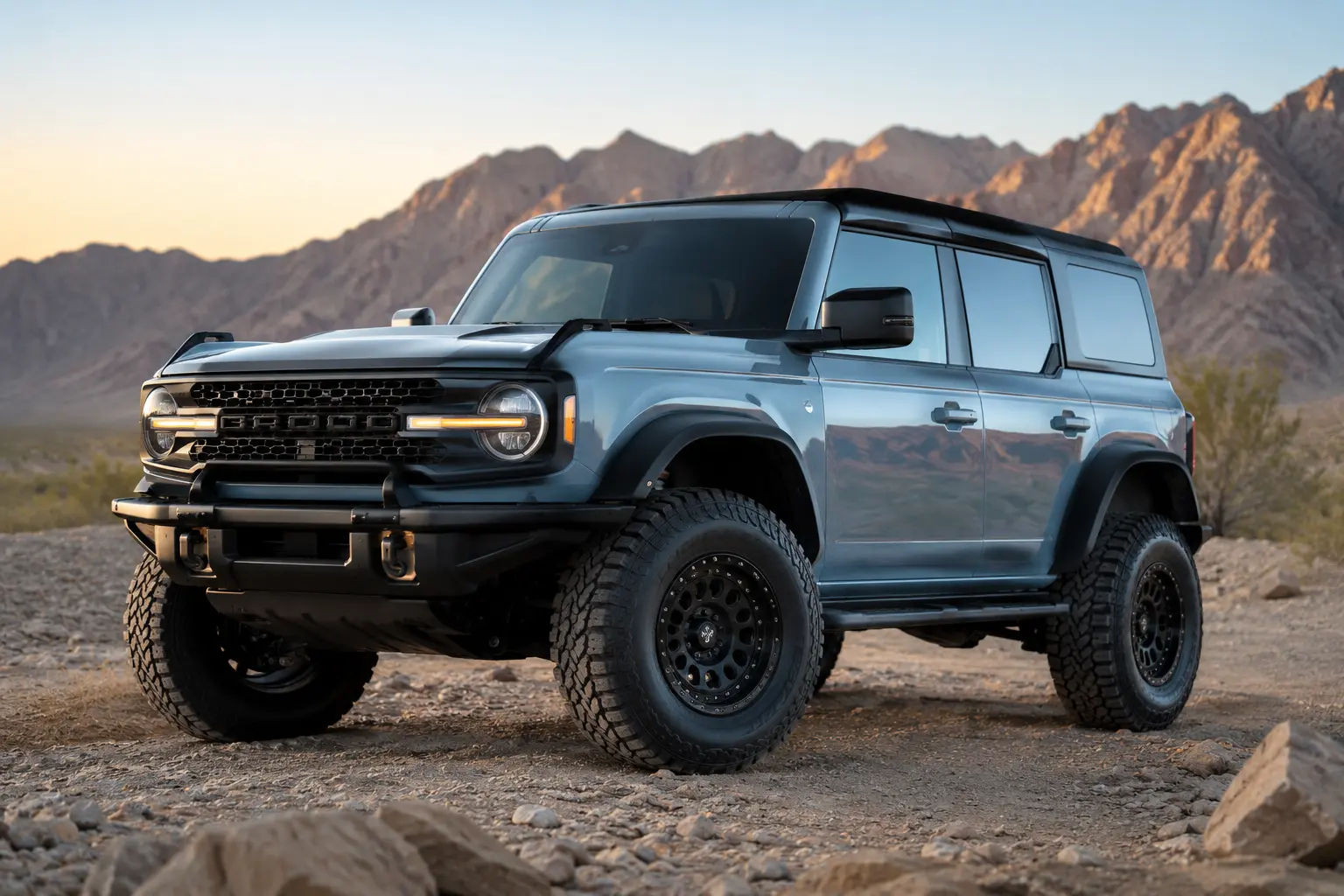
Rooftop tents are commonly used on:
- Toyota LandCruiser
- Toyota Hilux
- Ford Ranger
- Isuzu D-Max
- Nissan Patrol
- Subaru Outback
- Dual-cab utes
- Vans and wagons
Roof Load Rating Matters
Always check your vehicle’s:
- Dynamic load rating (while driving)
- Static load rating (when parked)
Most 4WDs handle rooftop tents comfortably, but small SUVs need careful evaluation.
Rooftop Tents vs Ground Tents: Which Is Better?
| Feature | Rooftop Tent | Ground Tent |
|---|---|---|
| Setup Time | Very fast | Moderate |
| Comfort | High | Moderate |
| Wildlife Safety | Excellent | Limited |
| Cost | Higher | Lower |
| Terrain Flexibility | Excellent | Limited |
For Australia’s harsh and unpredictable terrain, rooftop tents often win on convenience and safety.
Final Thoughts
A rooftop tent in Australia is more than just a camping accessory, it’s a lifestyle upgrade. With Australia’s vast distances, diverse landscapes, and remote camping destinations, rooftop tents offer a practical, safe, and comfortable way to explore the country.
“While rooftop tents cost more upfront, their durability and comfort make them a worthwhile long-term investment for serious campers.”
— Jason Reid, Off-Road Vehicle Consultant
While the initial investment may be higher than a traditional ground tent, the benefits—quick setup, elevated safety, superior comfort, and adaptability to tough terrain, make rooftop tents an increasingly popular choice among Australian adventurers.
Whether you’re planning weekend getaways, cross-country road trips, or extended off-grid travel, a rooftop tent can turn your vehicle into a reliable mobile home. For those who value freedom, flexibility, and unforgettable outdoor experiences, a rooftop tent is undoubtedly worth considering.
Frequently Asked Questions
Yes, rooftop tents are legal across all Australian states and territories. However, you must comply with vehicle height limits, roof load ratings, and local camping regulations.
Not every vehicle is suitable. Your car must have an adequate dynamic and static roof load rating and compatible roof racks. Most 4WDs, utes, and SUVs are ideal.
Hard shell rooftop tents can be set up in under one minute, while soft shell models typically take 3–5 minutes.
High-quality rooftop tents are built to handle strong Australian winds. Proper installation and correct orientation against the wind significantly improve stability.
Yes. Most rooftop tents sold in Australia use UV-resistant fabric, breathable canvas, and ventilation windows to manage heat effectively.
Absolutely. Many models are designed to sleep 2–4 people, making them suitable for couples and small families.
You can, but removing it when not in use can improve fuel efficiency and reduce wear. Long-term storage should be dry and protected.
For frequent campers and road trippers, rooftop tents offer excellent value due to their durability, comfort, safety, and convenience, especially in remote locations.




Leave a Reply