

Social media is everywhere, it’s in our pockets, on our screens, in our conversations, and even in the way we think. From Instagram posts to TikTok dances, from WhatsApp groups to viral news tweets, it’s reshaped how we connect, communicate, learn, and even argue. But here’s the big question: Is social media truly helping us, or is it slowly ruining real life? The answer isn’t black and white, it’s complex, multifaceted, and worth a deep dive. Let’s explore both sides together.
Why Social Media Might Be Helping Us?
1. Connecting People Across the Globe
One of the most powerful benefits of social media is its ability to connect people instantly, regardless of distance. Long-lost friends, family members living abroad, or international communities with shared interests can all stay in touch in real time. For many, especially during tough times like lockdowns or personal struggles, social platforms became lifelines to connection.
Think about it: Someone in India can watch a live concert in New York, join a support group in Australia, or learn a new language with people in Spain, all from the same screen. Human connection matters, and social media amplifies that opportunity like never before.
2. A Platform for Expression and Creativity
Social media isn’t just about posting selfies. It’s a global stage where people showcase creativity, from digital art and music to writing, comedy, and educational content.
Platforms like TikTok and YouTube have helped ordinary people become creators, entrepreneurs, and influencers with real incomes and real audiences. These platforms have democratized creativity: you no longer need a publishing contract or a TV deal to have your voice heard.
3. Awareness, Activism & Education
In the 21st century, social change often begins online. Hashtags like BlackLivesMatter or ClimateStrike helped millions raise awareness, organize protests, and influence political action. Social media has turned isolated individuals into global communities fighting for justice and change.
And it’s not just activism, it’s education too. From short explainer videos to online courses and public forums, people use social platforms to learn something new every day.
4. Mental Health Support Networks
For many, social media isn’t just about entertainment, it’s a place to find support, belonging, and understanding. Whether it’s a community for coping with anxiety, dealing with chronic illness, or sharing LGBTQ+ experiences, many users find comfort and solidarity online that they don’t have offline. This sense of community can reduce stigma, promote Help-Seeking behavior, and make people feel less alone.
But Wait… Is Social Media Slowly Ruining Real Life?
While social platforms have undeniable benefits, they also come with risks and real consequences. Let’s talk about the other side.
1. Mental Health Impacts — Especially on Youth
Many studies show that excessive social media use can harm mental health. Constant comparison to curated lives, pressure to look “perfect,” and endless scrolling feeds into anxiety, depression, and low self-esteem.
A recent guardian survey even suggests that moderation matters, heavy social media use correlates with worse mental health outcomes among teens, while moderate use might be less harmful.
2. Addiction and Distracted Living
Social media platforms are engineered to keep you engaged, with endless scrolls, notifications, and algorithm-optimized feeds drawing you back again and again. This can easily lead to:
- Compulsive checking
- Lost time
- Reduced productivity
- Less real-life engagement
Many people realize they spend hours online without even noticing, time that could have been spent with friends, family, hobbies, or learning new skills.
3. Privacy & Data Risks
Your personal data is the product on social media. Platforms collect information about your behavior, interests, location, and more, often without clear consent. This data is used for targeted advertising, sometimes with disturbing levels of detail.
About half of users don’t trust social platforms to protect their data, and many feel they have little control over what’s shared.
4. Spread of Misinformation and Echo Chambers
Information spreads instantly on social media, but so does misinformation. False news can go viral before fact-checkers even react, influencing public opinion and sometimes dangerous behavior.
Additionally, algorithms often create echo chambers, spaces where you only see content that aligns with your views. This can deepen divisions, reduce open dialogue, and distort how people perceive reality.
5. Reduced Real-Life Social Skills
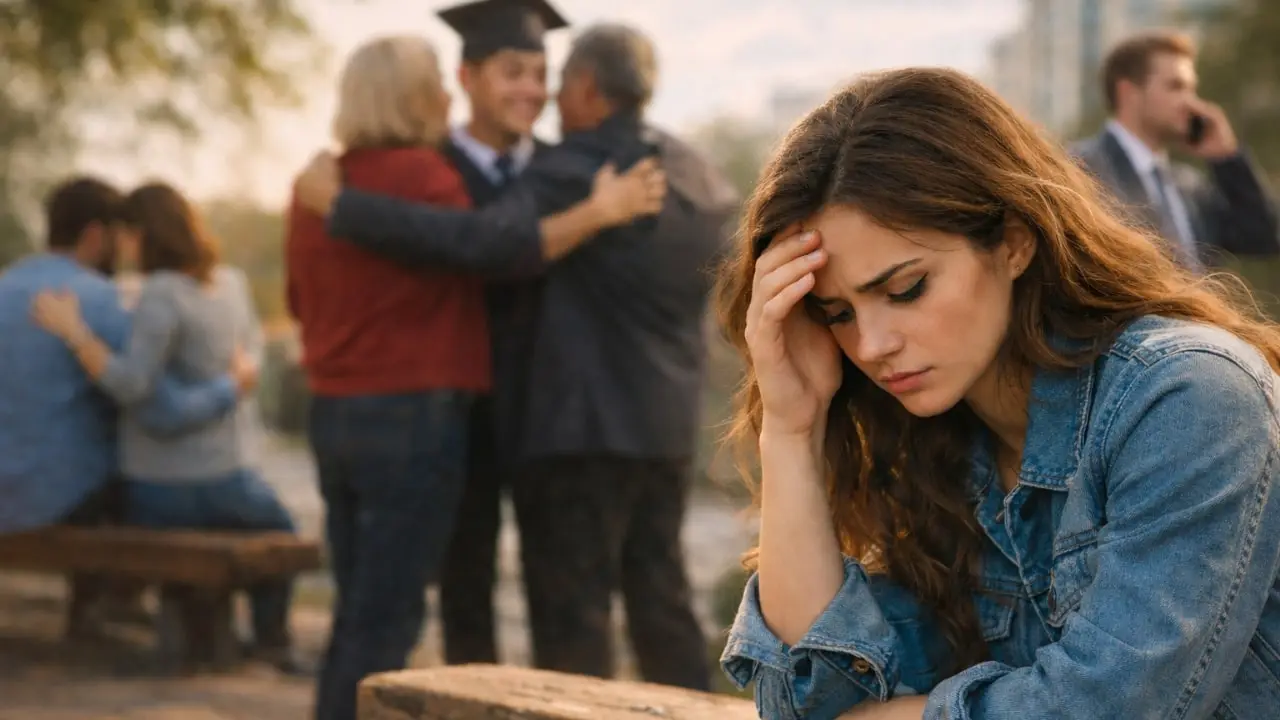
Some research suggests that heavy online interaction can reduce face-to-face communication skills. When digital likes replace real smiles, we might miss out on deeper emotional bonds that offline interactions provide.
Even conversations in real life are sometimes shaped by digital habits, short attention spans, quick replies, or public performance instead of genuine connection.
The Verdict: It’s a Double-Edged Sword
The truth is, social media is neither purely good nor purely evil. It’s a tool that reflects how people use it.
Some people find community, inspiration, and opportunity online. Others experience anxiety, isolation, or distraction. Many fall somewhere in between, learning to balance their usage over time. The real question isn’t Is social media ruining life? — it’s:
How can we use social media in ways that enhance life instead of taking over it?
Balance, boundaries, and awareness are key.
Tips for Healthy Social Media Use
Here are ways to make social platforms work for you, not against you:
- Set time limits for daily usage
- Engage with intention, not mindlessly
- Follow positive and educational accounts
- Take digital detox days
- Prioritize real-life interactions
Simple boundaries can make your online life more fulfilling and your real life more present.
Final Thoughts
Social media will continue shaping our world, both online and offline. It has the power to connect, inspire, and educate, but also the potential to distract, divide, and harm if used without awareness.
The real answer to Is social media helping us or ruining real life? is: It depends, on how we choose to use it.






Leave a Reply