

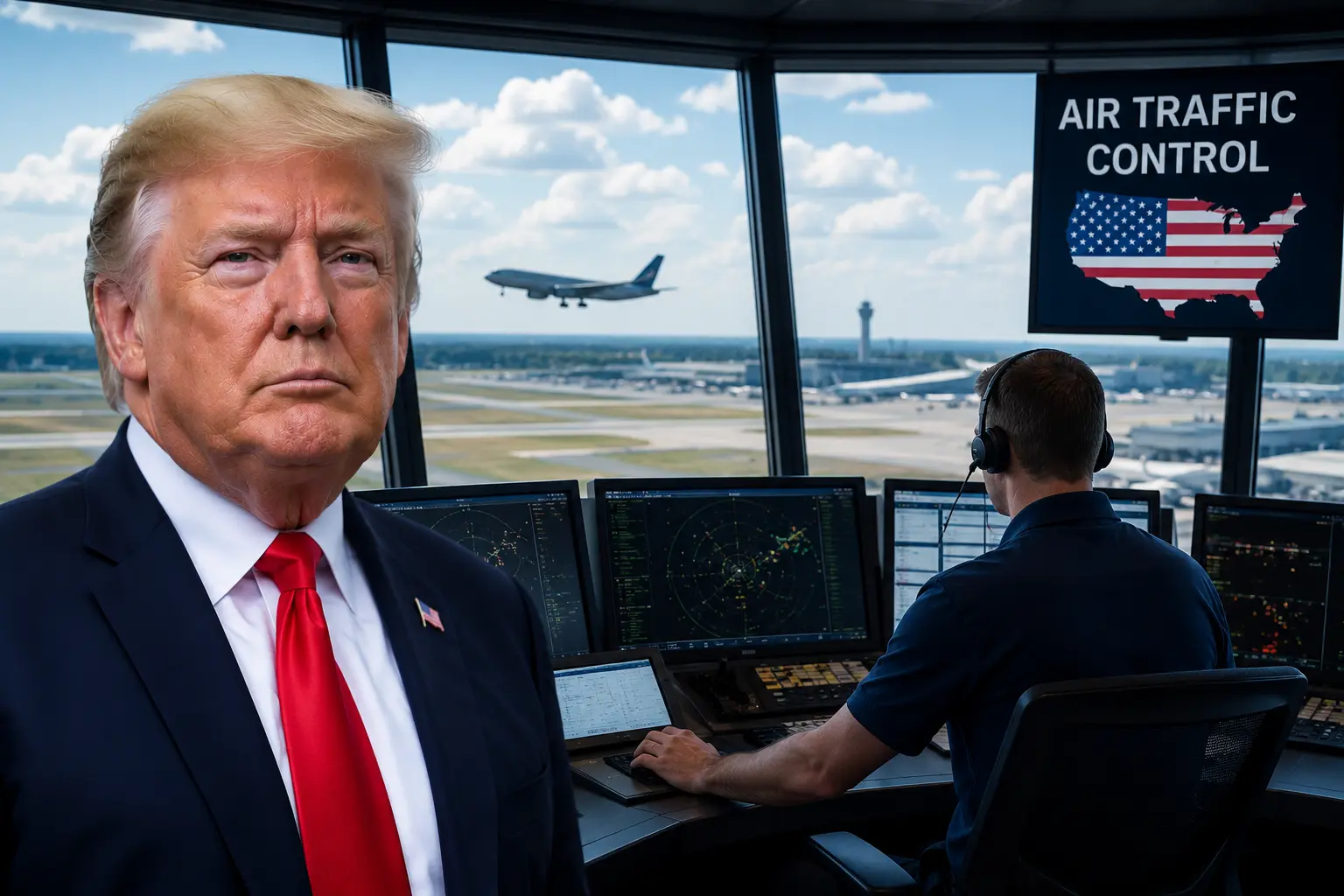
Every day, thousands of aircraft safely take off and land across the United States, transporting millions of passengers and tons of cargo. Behind this complex operation is a highly skilled workforce that rarely receives public attention, air traffic controllers (ATCs). These professionals play a critical role in maintaining the safety and efficiency of the nation’s aviation system.
In 2026, air traffic control has become an even more important topic as the U.S. aviation industry experiences rising passenger demand, ongoing staffing challenges, and significant investments in modernizing the country’s air traffic management system. Here’s everything you need to know about air traffic controllers in the USA, including the latest updates, job responsibilities, salary expectations, and the future of the profession.
What Does an Air Traffic Controller Do?
Air traffic controllers are responsible for directing aircraft safely through the nation’s airspace. Working from airport control towers, radar facilities, and en-route centers, they communicate continuously with pilots to ensure aircraft maintain safe distances from one another.
Their primary responsibilities include:
- Directing aircraft during takeoff and landing
- Monitoring aircraft positions using radar systems
- Managing aircraft movements during adverse weather
- Coordinating with neighboring control facilities
- Providing pilots with routing, altitude, and weather information
- Responding quickly to emergencies and unexpected situations
Their work requires exceptional concentration, decision-making skills, and the ability to remain calm under pressure.
Why Air Traffic Controllers Are Essential?
The United States has one of the busiest aviation networks in the world. Every day, thousands of commercial airlines, cargo planes, private jets, and military aircraft share the same airspace.
Without air traffic controllers:
- Flight delays would increase dramatically.
- The risk of aircraft conflicts would rise.
- Airport operations would become far less efficient.
- Passenger safety could be compromised.
Air traffic controllers ensure that flights move safely and efficiently from departure to arrival.
Latest Update on Air Traffic Control in 2026
The aviation industry continues to recover and expand, leading to increased air travel across the country. As flight volumes grow, the Federal Aviation Administration (FAA) is continuing efforts to strengthen the air traffic control workforce.
Key developments in 2026 include:
Increased Hiring Initiatives
The FAA continues recruiting new controllers to address staffing shortages at several busy facilities. The agency is expanding training opportunities and encouraging qualified applicants to pursue careers in air traffic control.
Modernization of Air Traffic Systems
The FAA is investing in advanced technologies that improve aircraft tracking, digital communications, and airspace management. These upgrades are intended to increase efficiency while maintaining the highest safety standards.
Focus on Controller Wellness
Recognizing the demanding nature of the profession, aviation officials continue emphasizing fatigue management, mental wellness, and work-life balance for controllers working in high-pressure environments.
Air Traffic Controller Salary in the USA
Air traffic control remains one of the highest-paying careers in the transportation sector. While salaries vary depending on experience, facility location, and job responsibilities, many certified controllers earn competitive annual incomes along with attractive federal benefits.
Typical benefits include:
- Health insurance
- Retirement plans
- Paid leave
- Federal employee pension
- Career advancement opportunities
- Overtime pay in certain facilities
Controllers assigned to major airports often receive higher compensation due to increased traffic complexity.
How to Become an Air Traffic Controller?
Working as an air traffic controller requires specialized training and meeting strict eligibility requirements.
General steps include:
Meet Basic Eligibility
Applicants typically must:
- Be U.S. citizens
- Meet age requirements established by the FAA
- Pass medical and background evaluations
Apply Through the FAA
Most controllers begin their careers by applying during FAA hiring announcements.
Complete Training
Selected applicants receive intensive training covering:
- Airspace procedures
- Radar operations
- Aviation regulations
- Emergency response
- Communication techniques
Certification
Controllers must demonstrate competency before working independently at operational facilities.
Skills Every Air Traffic Controller Needs
Success in this profession requires a unique combination of technical knowledge and personal qualities.
Important skills include:
Strong Communication
Controllers must provide clear and concise instructions to pilots.
Quick Decision-Making
Unexpected situations require immediate responses.
Attention to Detail
Small mistakes can have significant consequences.
Stress Management
Controllers often work in fast-paced environments where maintaining focus is essential.
Teamwork
Controllers coordinate continuously with pilots, supervisors, and neighboring facilities.
Challenges Facing Air Traffic Control
Although the U.S. aviation system remains among the safest in the world, several challenges continue affecting the industry.
Staffing Shortages
Many experienced controllers have retired in recent years, increasing pressure on recruitment and training efforts.
Growing Flight Demand
Passenger numbers continue rising, creating additional workload at busy airports.
Weather Disruptions
Severe storms, hurricanes, snow, and fog frequently require controllers to reroute aircraft safely.
Technology Upgrades
Modernizing decades-old systems while maintaining uninterrupted operations remains a major undertaking.
The Future of Air Traffic Control
Technology is transforming aviation, but experts agree that human air traffic controllers will remain essential for the foreseeable future.
Emerging innovations include:
- Artificial intelligence-assisted traffic management
- Digital communication systems
- Enhanced satellite navigation
- Improved weather forecasting tools
- Automation supporting routine tasks
Rather than replacing controllers, these technologies are expected to help them manage increasingly complex airspace more efficiently.
Why Air Traffic Controllers Continue to Be in Demand?
Several factors suggest continued demand for qualified controllers:
- Increasing commercial air travel
- Expanding cargo operations
- Growth in business aviation
- Retirement of experienced personnel
- Ongoing FAA modernization projects
As the aviation industry evolves, maintaining a skilled workforce remains a national priority.
Safety Remains the Top Priority
Every instruction issued by an air traffic controller is intended to maintain safe aircraft separation and ensure orderly traffic flow. Despite increasing flight volumes, the United States continues to maintain one of the safest aviation systems globally thanks to continuous improvements in technology, training, and operational procedures. The dedication and professionalism of air traffic controllers remain at the heart of this achievement.
Final Thoughts
Air traffic controllers are among the most important professionals in the U.S. transportation system. Their expertise ensures that millions of passengers reach their destinations safely every year while supporting one of the busiest aviation networks in the world.
With the FAA continuing to modernize air traffic systems, expand hiring efforts, and invest in advanced technologies, the profession remains both challenging and rewarding. As air travel continues to grow in 2026 and beyond, air traffic controllers will remain indispensable to the safety and efficiency of America’s skies.
FAQs
Air traffic controllers guide aircraft during takeoff, landing, and flight while maintaining safe separation between planes.
Yes. The FAA continues recruiting new controllers to address staffing needs and prepare for increasing air travel.
Salaries vary based on experience and location, but certified controllers generally earn competitive federal salaries along with excellent benefits.
While automation continues to improve aviation systems, human controllers remain essential for decision-making, communication, and handling complex situations.
The profession requires specialized training, medical evaluations, certification, and the ability to perform well in high-pressure environments.


Leave a Reply