

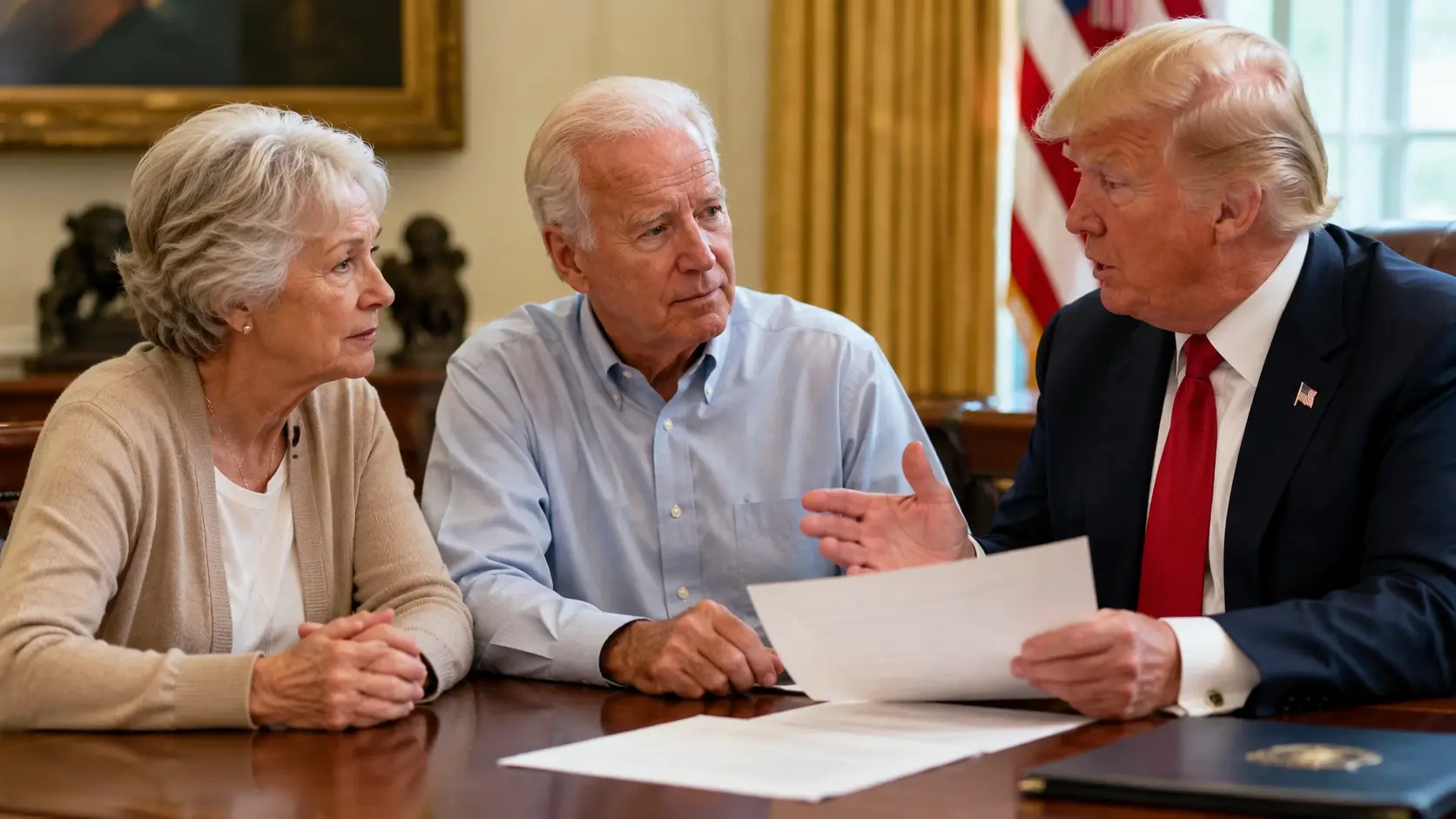
Many married couples assume that the best time to claim Social Security benefits depends only on when each person wants to retire. In reality, couples with a significant age difference often face a more complicated decision. The timing of Social Security benefits can affect not only the monthly payment each spouse receives but also the amount available to the surviving spouse in the future.
While there is no Social Security rule that penalizes or rewards couples simply because one spouse is much older than the other, the age gap can influence the best claiming strategy. Understanding how retirement benefits, spousal benefits, and survivor benefits work together can help couples make more informed decisions that support their long-term financial security. This guide explains why age differences matter, what factors couples should consider, and how thoughtful planning can make a meaningful difference throughout retirement.
When One Spouse Is Much Older – Overview
| Topic | Key Information |
|---|---|
| Main Focus | Social Security claiming strategies for couples with a significant age difference |
| Who Should Read | Married couples approaching retirement |
| Primary Considerations | Retirement benefits, spousal benefits, survivor benefits |
| Important Decision | When each spouse should begin claiming benefits |
| Biggest Long-Term Factor | Protecting household income after one spouse passes away |
| Common Mistake | Making claiming decisions based only on individual benefits |
| Planning Goal | Maximize lifetime household income rather than individual payments |
Why an Age Difference Matters?
Imagine a couple where one spouse is 68 years old and the other is 55. Their retirement timelines are naturally very different. The older spouse may already qualify for Social Security retirement benefits, while the younger spouse may still have several working years ahead. Because of this difference, claiming benefits immediately may not always produce the best long-term financial outcome.
Instead of asking, “When should I claim my Social Security?” couples may benefit from asking, “What claiming strategy works best for both of us over our lifetimes?” That shift in perspective can make a significant difference.
Social Security Is Designed Around Individuals- But Retirement Is Shared
Social Security calculates retirement benefits based primarily on each worker’s earnings history and claiming age. However, married couples may also qualify for:
- Retirement benefits
- Spousal benefits (if eligible)
- Survivor benefits
These programs work together, meaning one spouse’s decision can affect the household’s future income. For couples with large age gaps, planning together becomes especially important because one spouse may receive benefits for many years after the other passes away.
Why Delaying Benefits Can Sometimes Help?
For many workers, claiming benefits before reaching full retirement age results in permanently reduced monthly payments. On the other hand, delaying retirement benefits beyond full retirement age (up to age 70) generally increases monthly retirement benefits through delayed retirement credits. For couples where one spouse has significantly higher lifetime earnings, delaying benefits may also increase the survivor benefit available later.
This doesn’t mean delaying is always the right choice. Health, employment, savings, and expected retirement expenses all matter. The best decision depends on the couple’s overall financial situation.
Survivor Benefits Often Become the Most Important Benefit
Many retirees focus only on the monthly payment they will receive today. However, survivor benefits can become one of the most valuable parts of Social Security planning. When one spouse dies, the surviving spouse may generally receive the higher of the two eligible benefit amounts, subject to Social Security rules. For couples with a wide age difference, the younger spouse could rely on survivor benefits for many years. Because of that possibility, maximizing the higher earner’s benefit may provide greater long-term financial protection.
Consider Household Income Instead of Individual Income
One of the biggest mistakes married couples make is evaluating benefits separately.
Instead, consider questions such as:
- How much income will the household need over the next 20 to 30 years?
- Which spouse is likely to retire first?
- Will one spouse continue working?
- How will healthcare expenses change?
- Are there pensions or retirement savings available?
Looking at total household income often leads to better decisions than focusing on one person’s monthly benefit alone.
Other Factors That Can Influence Your Decision
Health
Life expectancy plays an important role. Someone with serious health concerns may choose to claim earlier, while someone expecting a longer retirement may benefit from waiting.
Employment
Continuing to work before reaching full retirement age may affect benefits if earnings exceed annual limits.
Retirement Savings
Couples with substantial retirement savings may have greater flexibility to delay Social Security.
Taxes
Social Security benefits may be taxable depending on combined income. Planning withdrawals from retirement accounts alongside Social Security can help improve tax efficiency.
Common Mistakes Couples Should Avoid
Claiming Too Early Without a Plan
Many retirees claim as soon as they become eligible simply because benefits are available. That decision may permanently reduce monthly income.
Ignoring Survivor Benefits
Focusing only on today’s payment may overlook future financial protection for the surviving spouse.
Assuming Everyone Should Wait Until 70
Waiting until age 70 is not the best choice for every household. Personal health, income needs, employment status, and retirement goals all matter.
Not Reviewing the Strategy Regularly
Financial circumstances change. Couples should review their retirement plans periodically, especially after major life events.
Planning Together Can Make Retirement More Secure
Retirement planning is not only about maximizing one person’s monthly payment. For couples with a significant age difference, thoughtful coordination may help:
- Provide more stable lifetime income
- Improve survivor financial security
- Reduce financial stress later in retirement
- Create greater confidence about long-term expenses
The goal isn’t simply to receive benefits earlier or later—it’s to build a retirement strategy that supports both spouses over time.
Key Takeaways
- A large age difference does not change Social Security eligibility rules.
- One spouse’s claiming decision can influence future household income.
- Survivor benefits should be part of every retirement discussion.
- Delaying benefits may increase monthly payments for some retirees, but it is not the right strategy for everyone.
- Couples should evaluate retirement income as a household rather than focusing only on individual benefits.
Final Thoughts
A significant age gap between spouses does not create special Social Security rules, but it can make retirement planning more important. Rather than viewing Social Security as an individual decision, married couples should consider how today’s choices may affect household income for decades.
By understanding retirement benefits, spousal benefits, and survivor benefits, and by evaluating health, savings, employment, and future financial needs together, couples can make more informed decisions that support long-term financial stability. A well-planned claiming strategy isn’t about choosing the earliest or latest possible date; it’s about selecting the approach that best fits the family’s overall retirement goals.
FAQs
No. Social Security does not reduce retirement benefits simply because spouses have a significant age difference.
Not necessarily. Delaying may increase monthly benefits for some retirees, but the best decision depends on health, employment, savings, and long-term retirement goals.
Survivor benefits can provide ongoing income to the surviving spouse after the other spouse dies, making them an important part of retirement planning.
Yes. Each spouse generally decides when to claim their own retirement benefits, subject to Social Security eligibility rules.
Many couples find it helpful to review their claiming strategy with a qualified financial planner or retirement specialist, particularly if they have complex financial situations.



Leave a Reply