

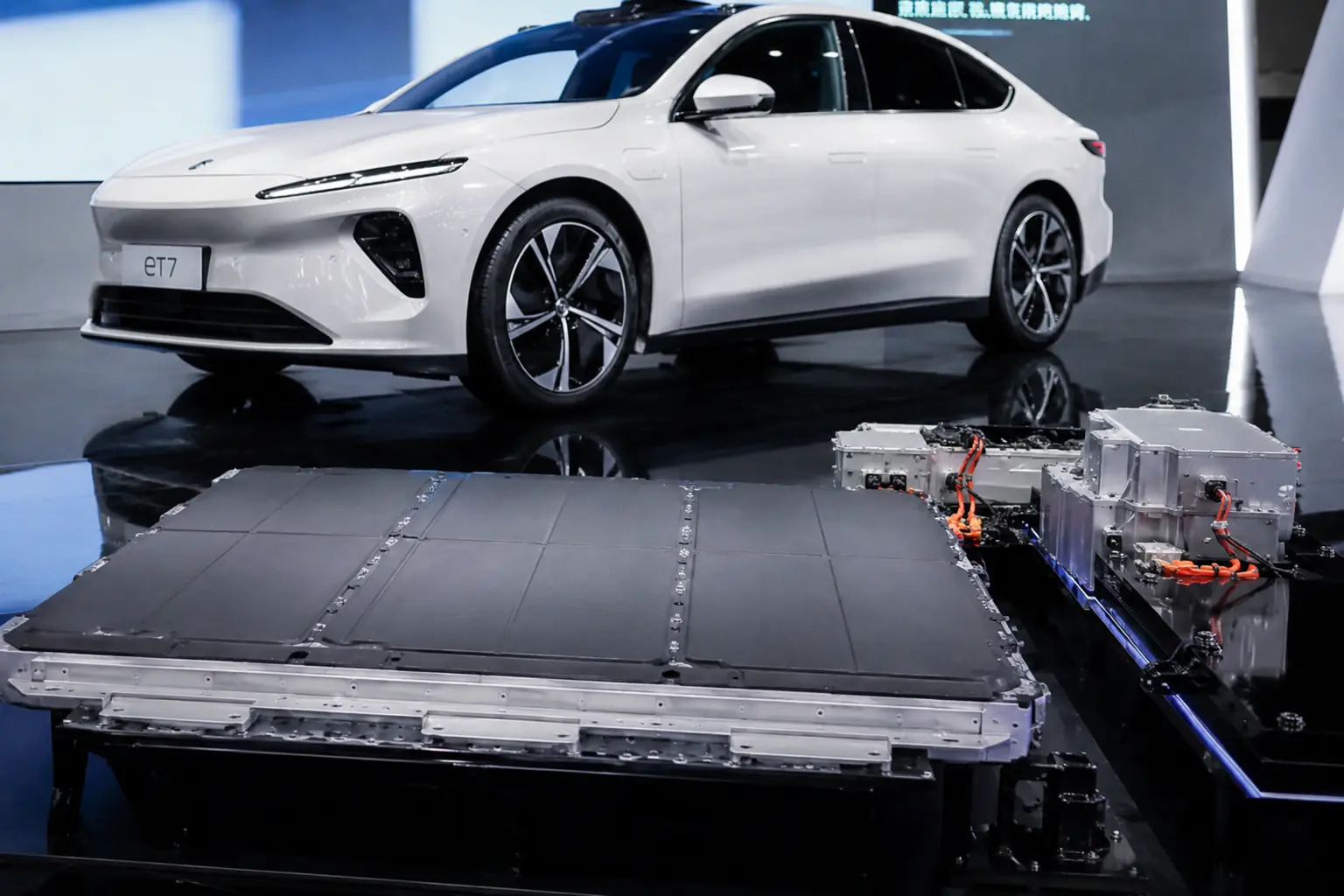
The electric vehicle (EV) industry may be on the verge of its biggest leap forward yet. A groundbreaking new battery technology has reportedly achieved what many experts once thought was years away: delivering up to 595km (370 miles) of driving range with just a 10-minute charge.
This world-first achievement could dramatically change how people view electric cars, eliminating one of the biggest concerns among drivers, charging time. If commercialized successfully, the technology may make EVs as convenient as gasoline-powered vehicles while also pushing the industry closer to mass adoption.
The Breakthrough That Could Change Everything
Researchers and battery developers behind the innovation have revealed a next-generation battery system capable of ultra-fast charging without sacrificing energy density or battery life. While many current EVs require 30 minutes to several hours for substantial charging, this new technology can reportedly add nearly 600km of range in the time it takes to grab a coffee.
The breakthrough centers on advances in battery chemistry, thermal management, and charging architecture. Although exact proprietary details remain limited, experts say the system likely combines:
- High-energy-density battery cells
- Advanced silicon-based or solid-state materials
- Improved heat dissipation technology
- Ultra-high-voltage charging systems
Together, these innovations allow the battery to accept an enormous amount of energy in a very short period without overheating or degrading rapidly.
Why Charging Speed Matters So Much?
For years, range anxiety has been one of the biggest obstacles preventing consumers from switching to electric cars. While modern EVs already offer respectable driving ranges, charging convenience remains a major concern.
Current realities for many EV owners include:
- Planning trips around charging stations
- Waiting 20–40 minutes at fast chargers
- Longer charging times during cold weather
- Limited charger availability in some regions
A battery capable of adding 595km in just 10 minutes could largely eliminate these concerns. Drivers could recharge during a short break and continue their journey with confidence, making EVs far more practical for long-distance travel and everyday convenience.
How It Compares to Today’s Fastest EVs?
Currently, some of the fastest-charging electric vehicles on the market can add about 250–320km of range in 15–20 minutes under ideal conditions. Vehicles using 800-volt architectures, such as certain premium EVs, have significantly improved charging speeds, but the new breakthrough goes much further.
Comparison Table: EV Charging Speeds
| Vehicle Type | Charging Time | Range Added |
|---|---|---|
| Typical modern EV | 20–40 minutes | 200–350km |
| Advanced 800V EV | 15–20 minutes | 250–320km |
| New breakthrough battery | 10 minutes | Up to 595km |
If these figures hold true in real-world conditions, the technology would represent a major leap beyond anything currently available to consumers.
The Technology Behind the Leap
Advanced Battery Chemistry
Traditional lithium-ion batteries face limitations when charging quickly because rapid energy transfer generates heat and can damage the battery over time. The new system reportedly uses next-generation materials that allow ions to move more efficiently between the battery’s electrodes.
Possible innovations include:
- Silicon-rich anodes
- Lithium metal components
- Semi-solid or solid-state electrolyte systems
- Enhanced cathode materials
These materials can improve both energy density and charging speed.
Superior Thermal Management
Heat is the enemy of fast charging. Excessive temperatures can reduce battery lifespan and create safety risks. The breakthrough battery reportedly incorporates advanced cooling systems that maintain stable temperatures even during ultra-fast charging sessions.
This could involve:
- Liquid cooling channels integrated into the battery pack
- AI-controlled thermal regulation
- Heat-resistant cell designs
Ultra-High-Power Charging Infrastructure
A battery that charges in 10 minutes also requires charging stations capable of delivering enormous power levels. The technology is expected to work with ultra-high-voltage charging systems, potentially exceeding today’s most powerful public chargers.
This means infrastructure upgrades will be essential for widespread adoption.
Potential Impact on the EV Industry
The implications of this breakthrough are enormous.
Faster Mainstream Adoption
Many consumers hesitant about EVs cite charging inconvenience as their primary concern. A 10-minute recharge experience would make electric cars feel much closer to traditional refueling.
Longer Road Trips Become Easier
Drivers could travel long distances with minimal downtime, reducing the need for extensive trip planning.
Smaller Batteries May Become Viable
If charging becomes extremely fast and convenient, automakers may no longer need to install oversized battery packs in every vehicle. Smaller batteries could reduce costs and vehicle weight.
Commercial and Fleet Benefits
Delivery companies, rideshare operators, and commercial fleets could benefit tremendously from reduced downtime, improving operational efficiency and lowering costs.
Challenges Still Ahead
Despite the excitement, several hurdles remain before this technology becomes widely available.
Charging Infrastructure Expansion
Most current public chargers are not capable of delivering the power levels needed for 10-minute charging. Significant investment in infrastructure will be required.
Battery Cost
Cutting-edge battery materials and manufacturing processes are often expensive initially. Automakers must bring costs down to make the technology affordable for mainstream buyers.
Real-World Testing
Laboratory results do not always translate perfectly to everyday driving conditions. The battery must prove durable, safe, and reliable over years of use.
Grid Demand
Ultra-fast charging on a large scale could place heavy demands on electrical grids. Utilities and governments may need to upgrade energy infrastructure to support widespread adoption.
Latest Update on the Technology
The latest reports indicate that developers are moving beyond laboratory testing and preparing pilot programs with automotive manufacturers. Several major EV companies are reportedly exploring partnerships to integrate the technology into future models. Industry analysts believe early commercial applications could appear in premium electric vehicles first, followed by broader adoption as production scales and costs decline.
Some experts suggest that by the late 2020s, ultra-fast-charging batteries could become a defining feature of next-generation EVs, especially as competition intensifies among automakers worldwide.
What This Means for Consumers?
For everyday drivers, the biggest takeaway is simple: the gap between electric and gasoline vehicles is shrinking rapidly.
If EVs can offer:
- Long driving range
- 10-minute charging
- Lower running costs
- Strong performance
- Reduced emissions
then the practical advantages of traditional combustion engines become much harder to justify. This breakthrough could accelerate the transition to electric mobility and reshape transportation over the next decade.
Final Thoughts
The promise of an EV battery that delivers 595km of range in just 10 minutes is one of the most exciting developments in electric mobility in years. If successfully commercialized, it could remove one of the final major barriers to EV adoption: charging convenience.
While challenges related to infrastructure, cost, and scalability remain, the breakthrough signals that the future of electric vehicles is evolving faster than many expected. The next decade could see EVs become not only cleaner and more efficient, but also more convenient than traditional gasoline cars.
FAQs
The breakthrough is a next-generation battery technology capable of delivering up to 595km of driving range with just a 10-minute charge.
Most current EVs need 20–40 minutes to add substantial range, while this new system can reportedly add nearly 600km in only 10 minutes.
Not immediately. The technology is still moving toward commercial deployment, and it will likely appear first in premium models before becoming more widespread.
The new technology is designed to minimize degradation through advanced materials and thermal management, but long-term real-world durability will need further testing.
Ultra-fast charging stations with very high power output and upgraded electrical infrastructure will be necessary to support widespread adoption.


Leave a Reply