

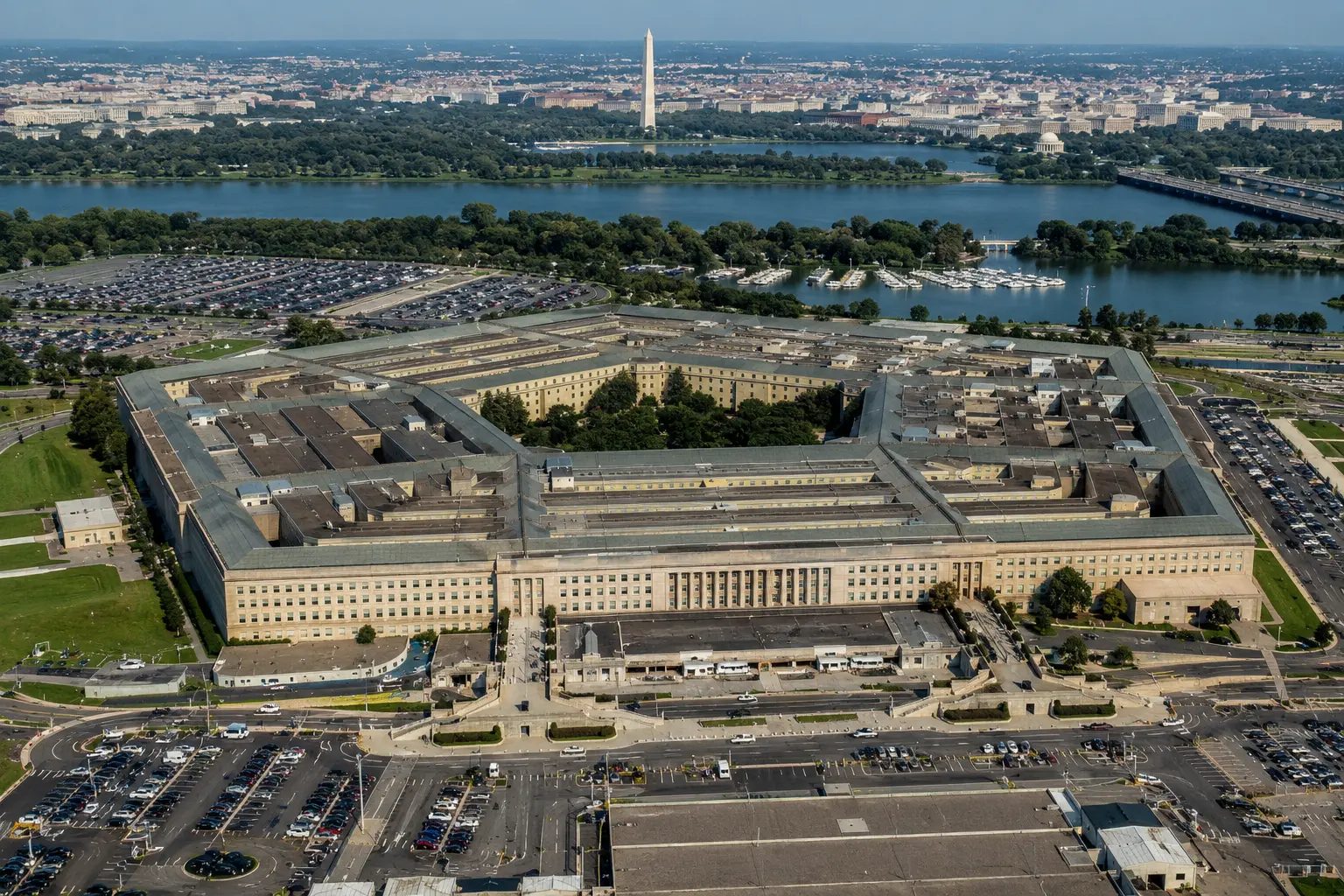
The Pentagon remains one of the most recognizable and influential government buildings in the world. Serving as the headquarters of the United States Department of Defense, it plays a central role in shaping military strategy, overseeing national security operations, and coordinating America’s armed forces across the globe.
In 2026, the Pentagon is facing a rapidly changing security landscape that includes artificial intelligence, global geopolitical tensions, cybersecurity threats, and evolving military technologies. Recent developments have placed the Pentagon at the center of several major news stories, highlighting its ongoing role in protecting U.S. interests both at home and abroad. This article explores the Pentagon’s significance, its latest updates, current priorities, and the challenges it faces in an increasingly complex world.
What Is the Pentagon?
Located in The Pentagon, the Pentagon is the headquarters of the U.S. Department of Defense. Completed during World War II, the building houses military and civilian personnel responsible for managing the nation’s defense operations. It serves as the command center for the:
- U.S. Army
- U.S. Navy
- U.S. Air Force
- U.S. Marine Corps
- U.S. Space Force
The Pentagon is one of the largest office buildings in the world and remains a symbol of American military power.
Latest Pentagon Update: Hazardous Materials Incident
One of the biggest Pentagon stories in June 2026 involved a temporary lockdown triggered by a hazardous materials incident. According to Pentagon officials, internal air-quality monitoring systems detected a potential issue, prompting precautionary measures including shelter-in-place orders and restricted access to certain sections of the building. Hazardous materials teams and emergency responders were deployed while investigations continued. Officials emphasized that the response was precautionary and designed to ensure the safety of personnel.
The incident demonstrated the Pentagon’s extensive security and emergency response capabilities, including advanced detection systems designed to identify potential threats.
The Pentagon’s Growing Focus on Artificial Intelligence
Artificial intelligence has become one of the Pentagon’s highest priorities in 2026. The U.S. government recently announced plans to accelerate AI development and deployment for national security purposes. Defense officials are working to integrate advanced AI tools into military planning, intelligence gathering, cybersecurity, logistics, and battlefield decision-making.
Key objectives include:
- Faster intelligence analysis
- Enhanced cyber defense
- Improved military logistics
- Better battlefield awareness
- Increased operational efficiency
The Pentagon believes AI will play a critical role in maintaining America’s military advantage over potential adversaries.
National Security Challenges in 2026
The Pentagon currently faces multiple security challenges around the world.
Rising Competition with China
One of the Pentagon’s primary concerns remains China’s expanding military capabilities. Defense leaders have repeatedly highlighted China’s growing naval power, missile programs, and regional influence as significant strategic challenges. U.S. officials continue encouraging allies in the Indo-Pacific region to strengthen their defense capabilities and increase military cooperation.
Middle East Tensions
The Pentagon remains heavily involved in monitoring and responding to developments in the Middle East. Military operations, regional security partnerships, and force readiness continue to be major priorities as tensions in the region evolve. The Department of Defense has maintained heightened preparedness levels while supporting diplomatic efforts aimed at preserving stability.
Cybersecurity Threats
Modern warfare increasingly extends into cyberspace. The Pentagon continues investing heavily in cyber defense programs designed to protect military networks, critical infrastructure, and sensitive government systems from sophisticated cyberattacks.
Defense Spending and Military Modernization
The Pentagon is overseeing one of the most ambitious modernization efforts in decades.
Current priorities include:
- Advanced missile defense systems
- Hypersonic weapons
- Next-generation fighter aircraft
- Naval fleet expansion
- Space-based defense technologies
- Artificial intelligence integration
Military leaders argue that these investments are necessary to address emerging threats and maintain technological superiority. The Pentagon’s modernization efforts are also aimed at strengthening supply chains and improving military readiness for future challenges.
Why the Pentagon Matters Beyond the Military?
Although many people associate the Pentagon solely with military operations, its influence extends far beyond the battlefield.
The Pentagon affects:
- National security policy
- Defense research and development
- Aerospace innovation
- Cybersecurity initiatives
- International alliances
- Economic activity through defense contracts
Many technologies used by civilians today, including GPS systems and certain internet technologies, have roots in defense research programs supported by the Pentagon.
Challenges Facing the Pentagon
Despite its vast resources, the Pentagon faces several ongoing challenges.
Balancing Innovation and Security
Rapid advances in AI and emerging technologies create opportunities but also introduce new risks.
Recruitment and Retention
Military services continue working to attract and retain qualified personnel in an increasingly competitive labor market.
Budget Pressures
Defense leaders must balance modernization programs with operational readiness while managing taxpayer resources responsibly.
Global Uncertainty
Conflicts, geopolitical competition, and emerging security threats require constant adaptation and strategic planning.
The Pentagon’s Future Outlook
Looking ahead, the Pentagon is expected to continue focusing on technological innovation, military modernization, and strengthening alliances around the world. Artificial intelligence, cybersecurity, space operations, and advanced defense systems will likely remain central priorities throughout the remainder of the decade.
As global security challenges evolve, the Pentagon’s ability to adapt quickly will play a critical role in shaping U.S. national defense strategy.
Final Thoughts
The Pentagon remains one of the most important institutions in the United States, overseeing military operations, technological innovation, and national security strategy. In 2026, the organization is navigating a rapidly changing world marked by geopolitical competition, emerging technologies, and evolving threats.
From AI integration and military modernization to responding to real-time security incidents, the Pentagon continues to adapt to new challenges while maintaining its mission of protecting the nation. As global events unfold, the Pentagon’s decisions will continue to influence not only America’s defense posture but also international security and technological progress.
FAQs
The Pentagon is the headquarters of the United States Department of Defense and serves as the central command center for the U.S. military.
The Pentagon is located in Arlington, Virginia, just outside Washington, D.C.
In June 2026, parts of the Pentagon were temporarily locked down following a hazardous materials incident involving an air-quality alert.
The Pentagon is expanding the use of AI for intelligence analysis, cybersecurity, logistics, and military operations. (Reuters)
Key priorities include military modernization, cybersecurity, artificial intelligence, competition with China, and maintaining global readiness.


Leave a Reply