

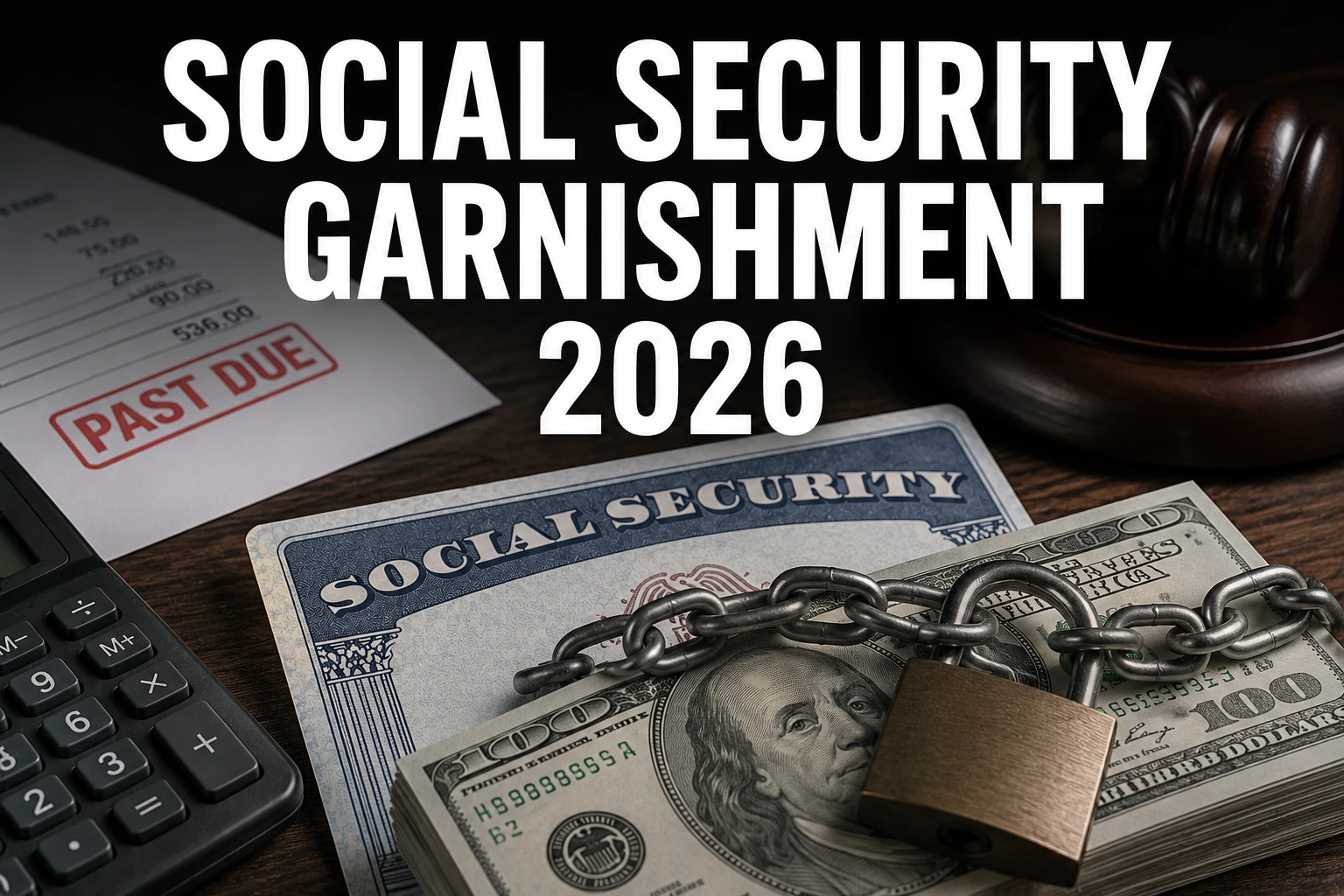
For millions of older Americans, a Social Security check is not simply another source of income—it may be the money that pays for groceries, prescriptions, housing and utility bills. That is why a new Senate proposal aimed at protecting Social Security benefits from student-loan collections is drawing attention among retirees and borrowers.
Sen. Bernie Sanders announced the Stop Social Security Garnishment Act on August 17, 2026, with Sens. Elizabeth Warren and Ed Markey joining as cosponsors. The proposal would prevent the federal government from withholding Social Security payments from seniors to collect defaulted federal student-loan debt. The proposal comes at a time when the federal government is dealing with a large number of borrowers who have fallen into student-loan default. The issue is especially important for older borrowers because losing even part of a monthly Social Security payment can create an immediate financial problem.
Read More: Who Is Getting a Check Next Wednesday? Social Security Payment on August 26, 2026
What Is the Senate Bill Trying to Change?
Under current federal rules, Social Security benefits can be subject to certain federal debt collections. The Social Security Administration explains that the Treasury Department can withhold benefits to collect delinquent non-tax debts owed to federal agencies. That can include certain defaulted federal student-loan debts.
The proposed Stop Social Security Garnishment Act would change this situation by preventing Social Security benefits from being used to collect defaulted student-loan debt. The measure is designed particularly with seniors in mind, including people who may have taken out loans many years ago and now rely heavily on Social Security.
The legislation has been introduced amid renewed concerns about the potential return of federal student-loan collections. According to recent reporting, the Education Department has delayed Social Security garnishments while repayment changes are being implemented, while responsibility for parts of the federal student-loan portfolio has shifted toward the Treasury Department.
Why Social Security Recipients Are Paying Attention?
A deduction from a paycheck can be difficult, but a reduction in a retirement benefit can be even more serious for someone who no longer has regular employment income. Many retirees have limited opportunities to replace money removed from their Social Security checks. A person who depends on a monthly benefit for rent, food or medical expenses may have very little room in the household budget.
Read More: Social Security Checks Going Out August 26: See Who Qualifies for the Next Payment
Sen. Elizabeth Warren said in July that at least 450,000 seniors could face Social Security cuts because of defaulted student loans. She also cited an average annual reduction of more than $2,000 for borrowers whose benefits were subjected to Social Security offsets. That does not mean every Social Security recipient with student-loan debt will automatically lose money. The proposed legislation is about changing the government’s authority to collect certain defaulted federal student-loan debts from Social Security benefits.
Nearly 9.6 Million Borrowers Are in Default
The timing of the proposal is closely connected to the broader student-loan repayment crisis. Recent Education Department data cited by Investopedia show that almost 9.6 million federal student-loan borrowers were in default as of March 31, 2026. Under existing collection rules, certain federal benefits can be subject to withholding when eligible debts are in default.
That number helps explain why the proposed legislation is attracting attention beyond the senior population. Not every borrower in default is receiving Social Security, of course. But older borrowers and people receiving disability-related benefits could be particularly vulnerable if collections are applied to their federal benefits.
How Much of a Social Security Check Could Be at Risk?
Current federal rules generally permit the government to collect certain delinquent federal debts through the Treasury Offset Program. For qualifying defaulted student loans, federal benefits such as Social Security can be affected. Recent reporting states that up to 15% of federal benefits may be subject to garnishment in applicable student-loan collection situations.
The practical impact can vary from one borrower to another. The amount someone receives, the type of benefit, the debt involved and applicable legal protections can all matter. This is why beneficiaries should not assume that seeing a headline about Social Security garnishment means their own check will automatically be reduced.
The Bigger Issue: Can Older Borrowers Afford Another Deduction?
The debate is ultimately about more than student loans. It is about whether retirement benefits should be protected when a borrower is already living on a limited income. Some older Americans still have student-loan debt because they borrowed for their own education later in life, returned to school, or helped finance education-related costs. Others may have debt that has remained unresolved for years.
Supporters of the proposed Senate legislation argue that collecting student-loan debt from Social Security can put vulnerable beneficiaries in an impossible position: they may technically owe money, but their ability to repay it can be extremely limited. The Consumer Financial Protection Bureau data cited in recent reporting also point to the financial vulnerability of some Social Security beneficiaries with student loans.
Is the Bill Already Law?
No. This is one of the most important points for Social Security recipients to understand. The Stop Social Security Garnishment Act is a proposed Senate bill, not a law that has already changed Social Security payment rules. It would need to move through the legislative process before it could become law. Therefore, Social Security recipients should not interpret the proposal as an immediate nationwide cancellation of student-loan collection authority. Until legislation becomes law, existing federal rules and official collection policies continue to matter.
What Happens to Student-Loan Borrowers Next?
The student-loan collection system is undergoing significant changes, which makes this issue particularly fluid. The federal government has been working through changes to student-loan repayment and collection procedures, while responsibility for managing portions of defaulted loans has been moving toward the Treasury Department. Recent reports indicate that the timing of renewed Social Security garnishments has remained uncertain while these changes are implemented.
That uncertainty is one reason borrowers should pay attention to official notices rather than relying solely on social-media posts or headlines. If you receive Social Security and have an old federal student loan, checking the status of the debt and understanding whether it is actually in default can be more useful than assuming a garnishment is about to happen.
What Should Social Security Beneficiaries Do Right Now?
There is no need for every Social Security recipient to panic because of the proposed bill. Instead, borrowers who have federal student-loan debt should consider taking a few practical steps:
- Check your student-loan status: Find out whether the loan is current, delinquent or officially in default.
- Review government notices: Pay attention to letters or electronic communications concerning repayment, collection or potential offsets.
- Check your Social Security payment details: If a deduction appears, determine what agency or debt is responsible for it.
- Do not ignore old student-loan debt: A loan that has been untouched for years can still have collection consequences under federal rules.
- Follow the legislation: The proposed Senate bill could change the rules if it advances and eventually becomes law, but that outcome is not guaranteed.
For questions involving an actual deduction from Social Security, beneficiaries should use official government resources and seek qualified financial or legal advice when necessary.
Why This Proposal Could Matter Beyond Student Loans?
The debate over student-loan garnishment raises a broader question about Social Security protection. Social Security is intended to provide income support during retirement and for people who qualify for disability or survivor benefits. When another federal debt is collected from those payments, beneficiaries can experience an immediate reduction in money available for everyday expenses.
The federal government already has authority in certain circumstances to withhold Social Security payments for obligations such as child support, alimony, restitution, overdue federal taxes and qualifying federal debts. The proposed Senate bill would focus specifically on defaulted federal student-loan debt, rather than eliminating every form of Social Security garnishment. That distinction is important.
What Could Happen If the Bill Passes?
If Congress passes the proposal and it becomes law, qualifying Social Security recipients would receive an important new protection against federal student-loan collections. For seniors living primarily on Social Security, the benefit could be significant. A protected monthly payment could help recipients maintain their household budgets without choosing between repaying an old student loan and paying for essential living costs. However, passage is not guaranteed. The proposal must go through the legislative process, and lawmakers could amend it along the way. Until that happens, beneficiaries should treat the proposal as a potential change—not a current change in Social Security law.
Final Thoughts
The proposed Stop Social Security Garnishment Act is attracting attention because it addresses a sensitive financial problem: whether the federal government should be able to take part of a Social Security check to collect defaulted student-loan debt. With millions of borrowers in default and hundreds of thousands of older Americans potentially affected, the debate could become an important part of the broader conversation about retirement security and student-loan policy.
Read More: Average Social Security Benefits by State 2026: How Much Is Your State’s Average Check?
For now, the most important message is simple: the Senate proposal has not yet become law. Social Security recipients with student-loan debt should continue monitoring official updates, check their individual loan status and avoid assuming that a proposed bill has already changed their payments. If Congress ultimately approves the legislation, it could provide a meaningful financial safeguard for older Americans who depend heavily on Social Security. Until then, the existing rules remain relevant—and borrowers should make decisions based on their actual debt and benefit situation rather than headlines alone.



Leave a Reply