

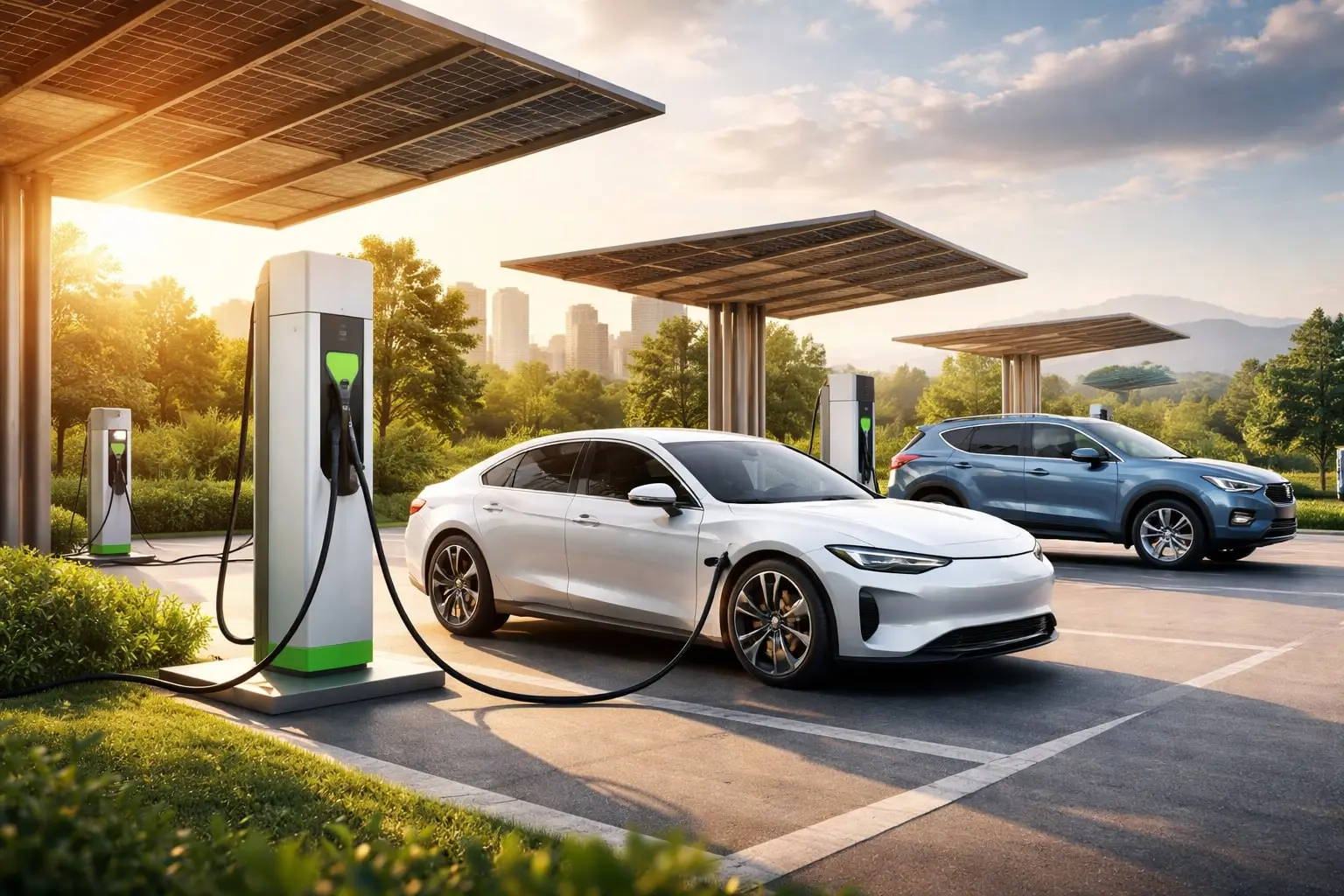
The global automotive industry is undergoing one of the most transformative shifts in its history. For more than a century, petrol and diesel vehicles dominated roads, economies, and urban planning. Today, that dominance is being challenged by electric vehicles (EVs) and hybrid vehicles, driven by climate concerns, rising fuel costs, technological innovation, and changing consumer expectations.
“Electric and hybrid vehicles are not just an environmental choice; they are becoming the most economically sensible option for consumers and manufacturers alike. As battery costs fall and infrastructure expands, electrification will dominate the future of mobility.”
— Dr. Anil Mehra, Automotive Technology Analyst
“Beyond petrol” is no longer a futuristic concept, it is a reality unfolding rapidly across the world. Governments are setting ambitious emission targets, automakers are investing billions in electrification, and consumers are increasingly open to cleaner, smarter, and more efficient mobility solutions. This article explores the rise of electric and hybrid vehicles, the forces driving their adoption, the challenges they face, and what the future holds for transportation.
Understanding Electric and Hybrid Vehicles
Electric and hybrid vehicles represent two different but closely related approaches to reducing reliance on fossil fuels.
Electric Vehicles (EVs) run entirely on electricity stored in batteries. They produce zero tailpipe emissions and rely on electric motors rather than internal combustion engines. Examples include fully electric cars, electric SUVs, and electric commercial vehicles.
Hybrid Vehicles combine a petrol (or sometimes diesel) engine with an electric motor. The electric motor assists the engine, improving fuel efficiency and reducing emissions. Some hybrids can drive short distances on electricity alone, while others mainly use the electric system to support the engine.
Both technologies aim to reduce fuel consumption, lower emissions, and offer a more sustainable alternative to traditional petrol-powered vehicles.
Why the Shift Beyond Petrol Is Accelerating?
1. Environmental Concerns
Transportation is one of the largest contributors to greenhouse gas emissions globally. Petrol and diesel vehicles release carbon dioxide, nitrogen oxides, and particulate matter that harm both the climate and human health. EVs and hybrids significantly reduce these emissions, especially when powered by renewable energy.
2. Rising Fuel Costs
Fluctuating oil prices and geopolitical tensions have made petrol and diesel increasingly expensive. Electric vehicles offer a more stable and often cheaper running cost, as electricity prices are generally more predictable than fuel prices.
3. Government Policies and Incentives
Many countries are offering tax rebates, subsidies, reduced registration fees, and other incentives to encourage EV and hybrid adoption. Some governments have also announced timelines to phase out new petrol and diesel car sales, further accelerating the transition.
4. Advancements in Battery Technology
Battery technology has improved dramatically over the last decade. Modern EV batteries offer longer range, faster charging, improved safety, and lower costs compared to earlier models. These advancements have reduced “range anxiety,” one of the biggest barriers to EV adoption.
5. Changing Consumer Mindsets
Today’s buyers are more environmentally conscious and tech-savvy. Features like regenerative braking, smart connectivity, over-the-air updates, and quiet driving experiences appeal strongly to modern consumers.
The Growth of Electric Vehicles
Electric vehicles have seen exponential growth worldwide. Major automakers are launching electric versions of popular models, while new EV-only companies are entering the market with innovative designs and technologies.
Key benefits of EVs include:
- Zero tailpipe emissions
- Lower operating and maintenance costs
- Quiet and smooth driving experience
- Instant torque and responsive acceleration
However, EVs still face challenges such as charging infrastructure availability, upfront cost, and battery recycling concerns. Despite these issues, adoption continues to rise due to continuous improvements and expanding charging networks.
The Role of Hybrid Vehicles in the Transition
Hybrid vehicles play a crucial role as a bridge between petrol-powered cars and fully electric vehicles. For many consumers, hybrids offer a “best of both worlds” solution.
Advantages of hybrids include:
- Improved fuel efficiency
- Reduced emissions compared to petrol vehicles
- No need for external charging in most models
- Familiar driving experience
Hybrids are especially popular in regions where charging infrastructure is still developing. They allow drivers to reduce fuel consumption without completely relying on charging stations.
Economic and Industry Impact
The rise of electric and hybrid vehicles is reshaping the automotive industry and related sectors.
- Automakers are retooling factories, retraining workers, and investing in battery supply chains.
- Energy companies are expanding into charging infrastructure and renewable electricity generation.
- Job markets are shifting, with increased demand for skills in software, battery engineering, and power electronics.
While some traditional automotive jobs may decline, new opportunities are emerging in clean mobility and sustainable energy sectors.
“Hybrids serve as a critical stepping stone in markets where full electrification may take longer. They help consumers adapt to electrified driving while significantly reducing emissions today.”
— Laura Chen, Sustainable Transport Researcher
Challenges Still Facing EVs and Hybrids
Despite rapid growth, several challenges remain:
- Charging Infrastructure Gaps: Rural and developing regions still lack adequate charging stations.
- Upfront Costs: EVs can be more expensive initially, even though they save money long-term.
- Battery Recycling and Sustainability: Managing battery waste responsibly is essential.
- Grid Capacity: Increased electricity demand requires upgrades to power grids.
Addressing these challenges will be critical to ensuring widespread and equitable adoption.
The Future Beyond Petrol
Looking ahead, the future of transportation will likely be dominated by electric vehicles, supported by hybrids during the transition period. Emerging technologies such as solid-state batteries, wireless charging, vehicle-to-grid systems, and autonomous driving will further enhance the appeal of electric mobility.
Cities are redesigning infrastructure to support cleaner transport, and consumers are increasingly viewing EVs as mainstream rather than niche products. The journey beyond petrol is accelerating, and there is little indication of a return to the old model.
Final Thoughts
The rise of electric and hybrid vehicles marks a defining moment in the evolution of transportation. Moving beyond petrol is not just about adopting new technology, it is about rethinking how we power mobility, protect the environment, and build sustainable cities. While challenges remain, the momentum behind electric and hybrid vehicles is undeniable.
As innovation continues and infrastructure expands, these vehicles will become more accessible, affordable, and practical for everyday use. The road ahead is electric, and the journey beyond petrol has already begun.
FAQs
Electric vehicles run entirely on electricity, while hybrid vehicles use both an internal combustion engine and an electric motor.
Yes, EVs produce zero tailpipe emissions and generally have a lower overall carbon footprint, especially when powered by renewable energy.
Most hybrids do not require external charging. Plug-in hybrids can be charged but can also run on petrol.
EVs typically have lower maintenance costs because they have fewer moving parts and no oil changes.
Most EV batteries are designed to last 8–15 years, depending on usage and conditions, and often come with long warranties.
Yes, charging networks are expanding rapidly in many countries, with fast chargers becoming more common.
Hybrids significantly reduce fuel use but still rely on petrol. They are a transitional solution rather than a complete replacement.
Fully electric vehicles, along with potential hydrogen fuel-cell technologies, are expected to dominate the future.








Leave a Reply