

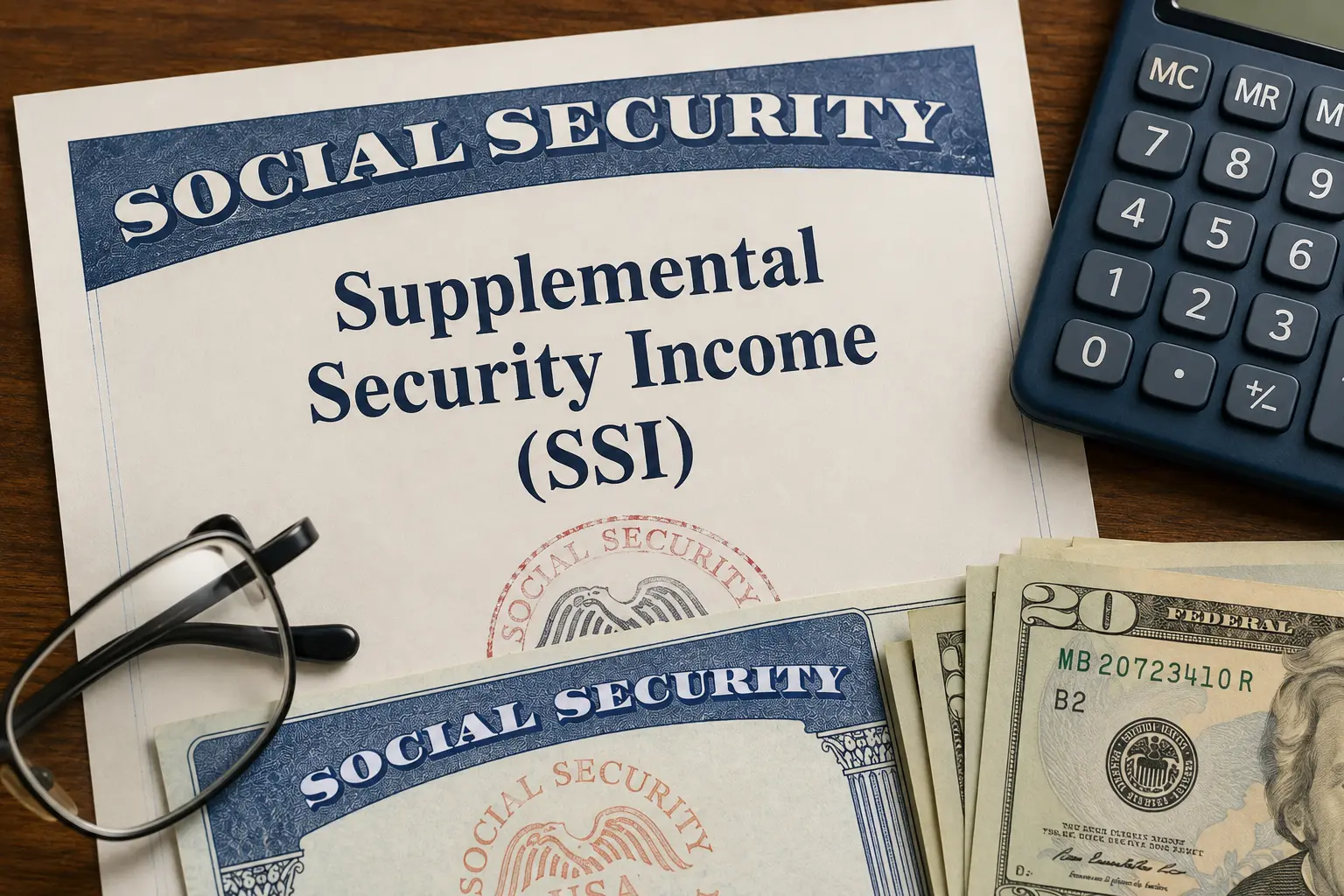
Supplemental Security Income, commonly called SSI, is an important federal program for people who have limited income and resources and are either age 65 or older, blind, or living with a qualifying disability. Unlike Social Security retirement benefits, SSI is a needs-based program, meaning eligibility is primarily based on financial circumstances rather than a person’s work history.
For millions of Americans, SSI can provide essential monthly income that helps cover food, housing, clothing and other everyday expenses. The rules can be complicated, however, particularly when income, savings, living arrangements or family circumstances change. Here is what Americans should know about Supplemental Security Income in 2026, including eligibility requirements, payment amounts, income rules and important reporting responsibilities.
What Is Supplemental Security Income?
SSI is administered by the Social Security Administration (SSA) and is designed to provide monthly financial assistance to people with limited income and resources. Adults and children may qualify under different circumstances. In general, an adult may be eligible if they have limited income and resources and are:
- Age 65 or older;
- Blind; or
- Living with a qualifying disability.
Children may also qualify for SSI when they meet the program’s disability requirements and the household meets the applicable financial rules. One important distinction is that SSI is not the same as Social Security retirement or SSDI. Social Security retirement and SSDI benefits generally depend on a person’s work record and Social Security-covered earnings, while SSI is based primarily on financial need and qualifying age, blindness or disability. Some people can qualify for both SSI and Social Security benefits.
How Much Is SSI in 2026?
The federal maximum SSI payment increased in 2026 following the annual cost-of-living adjustment.
For 2026, the federal SSI payment standard is:
| Recipient | Maximum Federal SSI Payment |
|---|---|
| Individual | $994 per month |
| Eligible couple | $1,491 per month |
These are maximum federal amounts, not guaranteed payments. The actual amount someone receives can be lower depending on income, living arrangements and other factors.
The 2026 SSI increase is connected to the 2.8% Social Security COLA announced for 2026. The higher SSI payments began with the December 31, 2025 payment because SSI is generally paid at the beginning of the month, with adjustments made when the normal payment date falls on a weekend or federal holiday.
Who Can Qualify for SSI?
SSI eligibility generally requires meeting several conditions at the same time.
1. Limited income
The SSA considers different forms of income when determining eligibility. This can include wages, pensions, unemployment benefits, Social Security benefits and other payments. However, not every dollar received is treated exactly the same way. Certain income exclusions and deductions apply, which means someone can work or receive another benefit and still potentially qualify for SSI. The SSA explains that a person may be able to earn income from work and continue receiving some SSI, although the payment can decrease as countable income rises.
2. Limited resources
SSI also has resource limits.
For 2026, the general resource limits remain:
- $2,000 for an individual
- $3,000 for a couple
Resources can include money in bank accounts, stocks, bonds and other assets that can be converted to cash. Some important resources are excluded. For example, the home a person lives in and generally one vehicle used for transportation may not count toward the SSI resource limit.
3. Age, blindness or disability
A person may qualify based on age if they are 65 or older. People younger than 65 generally must meet SSA’s definition of blindness or disability. The disability must meet specific requirements established by the Social Security program. For someone applying for disability-based SSI while working, earnings can also affect whether they qualify. In 2026, the substantial gainful activity amount for a non-blind person is $1,690 per month.
How Does Income Affect SSI Payments?
One of the most important things SSI recipients need to understand is that receiving income does not necessarily mean losing SSI immediately. The SSA generally reduces SSI based on countable income after applicable exclusions. For earned income, the reduction is generally about $1 in SSI for every $2 of earnings. For certain unearned income, the reduction can generally be closer to dollar-for-dollar. This is why two people with similar wages or benefits can sometimes receive different SSI amounts. SSI recipients should report changes rather than assuming the SSA will automatically know about them.
Why Reporting Changes Is So Important?
SSI beneficiaries have an ongoing responsibility to report certain changes that could affect eligibility or payment amounts.
These can include:
- Starting or stopping work;
- Changes in wages;
- Receiving other income;
- Marriage or changes involving a spouse;
- Changes in living arrangements;
- Moving to a new address;
- Changes in resources;
- Buying or selling certain assets.
The SSA says recipients must report changes in income, resources and living arrangements that could affect their eligibility or payment. Failing to report changes can result in an incorrect payment. If someone receives more SSI than they were entitled to receive, the SSA may later determine that an overpayment occurred. For that reason, keeping records of wages, bank balances and major financial or household changes can be extremely helpful.
Can You Receive SSI and Social Security at the Same Time?
Yes, in some circumstances. A person can potentially qualify for both SSI and Social Security benefits. For example, someone receiving a relatively small Social Security retirement or disability payment may also qualify for SSI if they meet the program’s financial and other eligibility requirements.
However, Social Security benefits are generally treated as income when SSI eligibility and payment amounts are calculated. Therefore, receiving Social Security can reduce the amount of SSI a person receives. The two programs also have different eligibility requirements, so qualifying for one does not automatically mean someone qualifies for the other.
Does SSI Automatically Come With Other Benefits?
SSI can also be connected with access to other assistance programs. Depending on where a person lives and their circumstances, SSI recipients may qualify for programs such as Medicaid or SNAP. The rules vary by program and state, so beneficiaries should not assume that receiving SSI automatically guarantees every other benefit. The SSA specifically points SSI recipients toward programs such as SNAP and Medicaid as possible sources of additional assistance.
What Should SSI Recipients Watch in 2026?
For beneficiaries, one of the biggest issues is keeping personal information and financial circumstances up to date. The 2026 federal maximum payment is $994 for an individual and $1,491 for an eligible couple, but actual payments can vary considerably. Beneficiaries should pay particular attention to:
Income changes: A new job, higher wages or another benefit may affect SSI.
Bank accounts and resources: Certain assets can count toward the resource limit.
Living arrangements: Changes in who provides housing or food can affect payments.
Marital status: Marriage can change how income and resources are evaluated.
Annual and periodic reviews: The SSA periodically reviews eligibility and payment information. Most SSI recipients have their non-medical eligibility reviewed between once every one and six years, although a review can occur sooner when circumstances change.
Final Thoughts
Supplemental Security Income can provide an important financial lifeline for older adults, people with disabilities and people who are blind and have limited income and resources. But SSI is a rules-based program, and a person’s payment can change when their income, assets or living arrangements change. In 2026, the maximum federal SSI payment is $994 per month for an individual and $1,491 for an eligible couple. Those figures provide a useful starting point, but they should not be interpreted as a guaranteed payment for every beneficiary.
The safest approach is to keep the SSA informed about major changes, maintain accurate financial records and check official SSA information when questions arise. For anyone unsure about eligibility or a payment change, the Social Security Administration is the best source for an individual determination. For readers following SSI, Social Security and retirement benefits, staying informed is especially important because annual COLA adjustments, policy changes and personal circumstances can all affect monthly payments.
FAQs
The maximum federal SSI payment in 2026 is $994 per month for an eligible individual and $1,491 per month for an eligible couple. Actual payments may be lower because of income, living arrangements and other factors.
Potentially, yes. Some people qualify for both programs. However, Social Security benefits can count as income when SSI is calculated, which may reduce the SSI payment.
The general SSI resource limit in 2026 is $2,000 for an individual and $3,000 for a couple. Certain assets, including a person’s primary home and generally one qualifying vehicle, may be excluded.
Yes. Working does not automatically eliminate SSI. However, countable earnings can reduce the monthly benefit. The SSA generally applies exclusions before calculating how much earned income affects the payment.
Yes. Beneficiaries should report relevant changes involving income, resources, living arrangements and other circumstances that can affect eligibility or payment amounts.



Leave a Reply